By Garrett Odell · October 27, 2026
Should You Get a Survey When Buying a Home in Charlotte, NC?
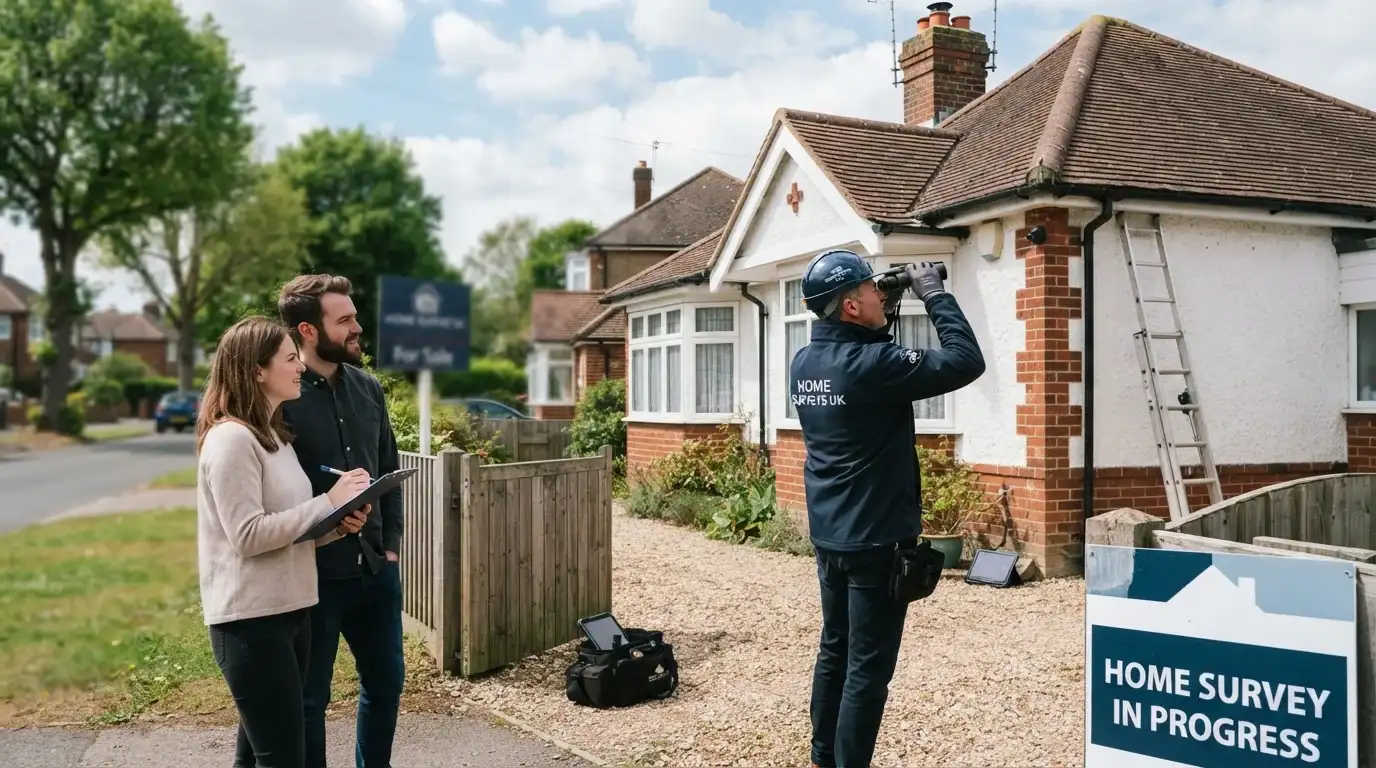
Yes, getting a property survey is often a smart decision when buying a home in Charlotte, NC, and the surrounding areas. A survey can help you understand exactly where your property begins and ends, identify potential boundary disputes, locate easements and uncover encroachments before closing. While a new survey is not necessary for every purchase, it can provide valuable peace of mind, especially when buying a home with a large lot, a fence, a detached building or plans for future improvements.
At Odell Realty, we help buyers throughout Charlotte, Davidson, Cornelius, Huntersville, Mooresville, Denver, Concord, Kannapolis, Harrisburg, University City and South Charlotte evaluate the details that matter before purchasing a home. A property may look straightforward during a showing, but understanding the actual boundaries can help you avoid expensive surprises later.
Key Takeaways: Should You Get a Home Survey?
- A survey shows property boundaries. It helps establish where your land begins and ends.
- Surveys can identify potential problems. These may include encroachments, easements and improvements that cross property lines.
- Older surveys may not tell the whole story. Fences, sheds, additions and other improvements may have changed since the last survey.
- Some properties need more attention than others. Large lots, wooded land, rural properties and homes with pools or detached buildings may benefit from a new survey.
- Ask before closing. Your real estate agent and closing attorney can help you understand whether a survey is appropriate for your purchase.
What Is a Property Survey?
A property survey is a professional assessment of a property’s boundaries and, depending on the type of survey, the location of structures, improvements, easements and other features.
A survey may help you determine whether a fence is inside your property line, whether a driveway crosses onto neighboring land or whether a planned improvement could conflict with an easement or setback requirement.
It is important to understand that a survey is different from a home inspection. A home inspection focuses on the condition of the house and its major systems. A survey focuses on the property itself and the relationship between its boundaries and physical features.
Neither replaces the other.
When Should You Get a Survey When Buying a Home in Charlotte?
Although every property is different, there are several situations in which we recommend buyers seriously consider obtaining a survey.
1. You Are Buying a Home With a Fence
Fences do not always follow legal property boundaries. A fence may have been installed years ago based on an assumption about where the lot ends rather than a professionally established boundary.
This can become an issue when you plan to replace a fence, install a new one or make improvements near the property line.
A survey can help clarify the boundary before you invest money in landscaping or fencing.
2. You Are Buying a Home With a Pool or Detached Building
Properties with swimming pools, sheds, detached garages, workshops or other improvements deserve a closer look.
For example, a buyer purchasing a home in Huntersville, Mooresville or Denver might want to install a pool or build a detached garage after closing. Knowing the property boundaries, easements and applicable setbacks can help determine whether the proposed project is feasible.
A survey does not guarantee that a project will receive approval. Local zoning requirements, building codes, HOA restrictions and permits may also apply.
3. You Are Buying a Home With a Large or Wooded Lot
In areas around Davidson, Cornelius, Kannapolis and Concord, buyers may encounter properties with larger yards, wooded areas or irregularly shaped lots.
Natural features can make property boundaries difficult to identify. Trees, landscaping and old markers are not necessarily reliable indicators of the legal property line.
If you are purchasing land because you want more privacy, additional outdoor space or room for future improvements, a survey can help you understand what you are actually buying.
4. You Are Buying an Older Home
Older homes sometimes have a long history of additions, fences, sheds, driveways and landscaping changes.
Even if the property has been owned by the same family for decades, that does not automatically mean the current improvements align with the legal boundaries.
A new survey may be worthwhile if the existing survey is outdated, incomplete or inconsistent with what you see on the property.
5. You Notice a Possible Encroachment
An encroachment occurs when a structure or improvement extends across a property boundary.
Examples include a fence that crosses onto a neighbor’s lot, a driveway that extends beyond the property line or a building that overlaps an adjoining property.
If you notice a possible encroachment during a showing, bring it to your agent’s attention before closing. Your closing attorney can help you understand the legal implications and determine what additional information may be needed.
Are Home Surveys Required in North Carolina?
A new survey is not automatically required for every residential real estate purchase in North Carolina. However, requirements can vary depending on the transaction, lender, title insurance arrangements and property circumstances.
Even when a new survey is not required, buyers should consider whether obtaining one is a worthwhile investment.
Your closing attorney can explain any survey requirements associated with your transaction, review available documents and help you understand how a survey may affect title insurance or other closing considerations.
Do not assume that because a lender approves the loan, every property boundary issue has been resolved.
How Much Does a Property Survey Cost in the Charlotte Area?
The cost of a property survey depends on the property’s size, location, terrain, complexity and the type of survey requested.
A relatively simple residential lot may cost substantially less to survey than a large, wooded or irregularly shaped property. Additional research, difficult access and complicated boundary questions can increase the price.
Rather than relying on a general estimate, request a quote from a qualified North Carolina land surveyor who understands the specific property.
When evaluating the cost, consider what a survey could help you avoid. Discovering a boundary problem before closing may give you more options than discovering it after you have purchased the home and begun making improvements.
What About Homes in Charlotte, Concord and Surrounding Communities?
The value of a survey depends more on the individual property than the city where it is located. Still, buyers throughout Greater Charlotte should pay attention to a few common considerations.
Davidson, Cornelius and Huntersville: Properties with established landscaping, fences, pools and outdoor improvements may warrant a closer look at boundaries and easements.
Mooresville and Denver: Buyers considering larger lots, wooded properties or homes with detached structures should verify boundaries before planning improvements.
Concord, Kannapolis and Harrisburg: Older properties, established neighborhoods and homes with long-standing fences or additions may have features worth checking against available survey records.
University City, Charlotte and South Charlotte: Townhomes, smaller lots and homes in planned communities may have shared areas, easements, HOA restrictions or other considerations that buyers should review carefully.
These are general considerations, not claims that any particular area has more boundary problems than another. The right approach is to evaluate the property you are purchasing and the improvements you plan to make.
For more information about the communities we serve, explore our Greater Charlotte and Lake Norman neighborhood guides.
Can You Use an Existing Survey?
Sometimes. An existing survey can be a useful starting point, but you should not automatically assume it is sufficient for your purchase.
Consider these questions:
- How old is the survey?
- Does it identify the property you are purchasing?
- Were fences, additions, sheds, pools or other improvements added afterward?
- Does it show relevant easements and encroachments?
- Will your closing attorney, lender or title insurer accept it for the intended purpose?
An existing survey may be perfectly useful in some circumstances, while other transactions may warrant an updated survey.
A licensed surveyor can advise you about the work needed, and your closing attorney can help determine what documentation is appropriate for your transaction.
When Can You Skip a New Survey?
There are situations where a new survey may not be necessary or may not provide enough additional value to justify the cost.
For example, a buyer purchasing a property with a recent, reliable survey and no apparent changes to the lot may have less reason to order another one. A buyer who does not plan to make improvements may also have different priorities than someone planning to install a pool or construct an addition.
However, the decision should not be based solely on whether the yard looks simple or the property appears well maintained.
Before deciding against a survey, review the available documents and discuss the specific circumstances with your real estate agent and closing attorney.
Should You Get a Survey Before Closing or After Buying?
When possible, it is generally preferable to identify potential boundary issues before closing rather than after you own the property.
During the purchase process, you may have an opportunity to investigate concerns, ask questions, obtain professional advice and discuss possible solutions with the appropriate parties.
Once the transaction closes, resolving a boundary dispute or correcting an encroachment can become more complicated and expensive.
If you believe a survey may be necessary, discuss it early in the transaction so you can coordinate with your agent, closing attorney and surveyor. Be mindful of your contract deadlines and do not assume that a survey will automatically extend them.
If you are preparing to purchase a home, our Odell Realty buyer’s guide explains the steps involved in the buying process, from preparing financially to inspections and closing.
Frequently Asked Questions About Home Surveys in North Carolina
Does a home inspection include a property survey?
No. A home inspection evaluates the condition of the house and its major systems. A property survey evaluates boundaries and, depending on its scope, the location of structures, improvements and easements.
Does title insurance eliminate the need for a survey?
Not necessarily. Title insurance and a survey serve different purposes. The coverage provided by a title insurance policy depends on its terms, exceptions and endorsements. Ask your closing attorney or title insurer how a survey may affect your coverage.
Can I use a county GIS map instead of a survey?
County GIS maps and online parcel maps are useful for general reference, but they are not substitutes for a professional boundary survey. Their lines may be approximate and should not be relied on to establish the precise legal boundary.
Who pays for a survey when buying a home?
The buyer commonly arranges and pays for a survey when one is desired, but the purchase contract and circumstances can affect the arrangement. Confirm the details with your real estate agent and closing attorney.
Can a survey reveal easements?
Depending on its scope and the records reviewed, a survey may show recorded easements affecting the property. Buyers should also have their closing attorney review relevant title documents because a survey alone may not identify every legal restriction.
Should I get a survey if I am buying land near Charlotte?
A survey is particularly worth considering when purchasing vacant land, acreage or a property intended for future construction. Knowing the boundaries and understanding easements, access and applicable setbacks can help you evaluate whether the property suits your plans.
Make an Informed Decision Before You Buy
A property survey may not be necessary for every home purchase, but it can be a valuable tool for understanding what you own and identifying potential problems before they become your responsibility.
Whether you are buying a townhome in Charlotte, a single-family home in Concord, a property in Huntersville or a larger lot near Mooresville or Denver, the important question is whether you have enough reliable information to make a confident decision.
At Odell Realty, we help buyers throughout Greater Charlotte understand the details of a property, ask the right questions and navigate the steps leading up to closing.
Have questions about whether a survey makes sense for a home you are considering? Contact Odell Realty to discuss your purchase and determine what questions to raise with your closing attorney and a qualified surveyor.
Author: Garrett Odell, Owner / Broker, Odell Realty
This article is for general informational purposes and is not legal, surveying, title insurance or tax advice. Survey requirements and property conditions vary. Consult your closing attorney and a qualified North Carolina land surveyor for guidance specific to your transaction.
Want this explained for your exact situation?
Send a note below, or email garrett@odellrealty.com. A real person from our team answers.
Get in Touch