By Garrett Odell · October 23, 2026
Should You Get a Home Inspection Before Buying or Selling in Charlotte, NC?
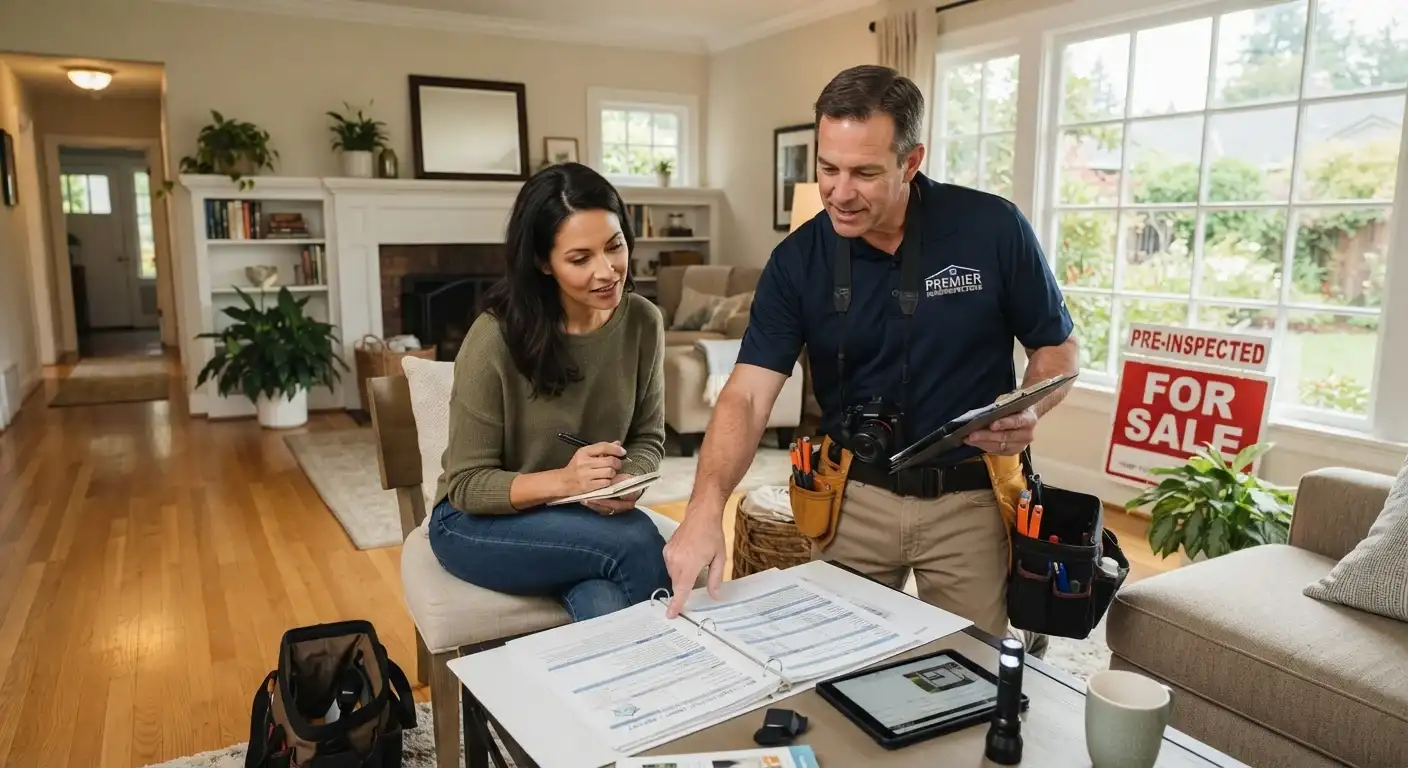
Yes, a professional home inspection is an important step for most homebuyers, and a pre-listing inspection can be a smart move for sellers. Buyers use inspections to better understand a property’s condition before closing, while sellers can use an inspection before listing to identify potential problems and make informed decisions about repairs.
Across Charlotte, Concord, Kannapolis, Huntersville, Mooresville, and the surrounding communities, home inspections can uncover issues involving roofing, plumbing, electrical systems, HVAC equipment, moisture, foundations, and other major components. The goal is not to find a perfect house. It is to understand the home’s condition, evaluate potential costs, and make a confident decision.
At Odell Realty, we encourage buyers and sellers to approach inspections as an opportunity to gather information, plan ahead, and avoid unnecessary surprises during a real estate transaction.
Key Takeaways About Home Inspections
- Buyers: Schedule a professional home inspection early enough to review the findings and make decisions within your contract deadlines.
- Sellers: Consider a pre-listing inspection if you want to identify potential problems before putting your home on the market.
- Older homes: Pay particular attention to roofing, electrical systems, plumbing, moisture, and structural components.
- Charlotte-area properties: Crawlspaces, drainage, humidity, wood-destroying insects, and aging HVAC systems deserve attention when relevant to the property.
- Inspection reports: Not every finding requires a repair or negotiation. Focus on safety, major defects, water intrusion, and significant future expenses.
- Local guidance matters: An experienced real estate agent can help you understand your options, prioritize concerns, and navigate the inspection process.
What Does a Home Inspection Cover?
A general home inspection is a visual examination of a property’s readily accessible components. The inspector typically evaluates the home’s overall condition and identifies observed defects, safety concerns, and areas that may need further evaluation.
A standard inspection commonly covers:
Roof and exterior: The inspector examines visible roofing materials, gutters, siding, exterior doors, windows, and other accessible exterior components.
Foundation and structure: The inspector looks for visible signs of settlement, structural movement, damaged framing, and other concerns. If a significant issue is suspected, a structural engineer or qualified specialist may be needed.
Electrical systems: Visible wiring, electrical panels, outlets, and other accessible components are reviewed for apparent defects and safety concerns.
Plumbing: The inspector checks accessible plumbing components, fixtures, visible piping, drainage, and signs of leaks.
Heating and cooling: HVAC equipment and its accessible components are evaluated for apparent operation and condition. A separate HVAC specialist may be needed for a more detailed assessment.
Interior components: Walls, ceilings, floors, doors, windows, stairs, and other accessible features are examined for visible problems.
Attic, crawlspace, and ventilation: When accessible, these areas can reveal moisture problems, inadequate ventilation, damaged insulation, pest activity, or other concerns.
A general home inspection is not an exhaustive evaluation of every part of a home. Inspectors generally cannot see behind finished walls or predict every future failure. Specialized inspections may be necessary depending on the property and the initial findings.
What Should Charlotte-Area Buyers Pay Special Attention To?
Homes throughout the Greater Charlotte region vary considerably in age, construction, location, and maintenance history. The right inspection priorities depend on the individual property rather than its city alone.
1. Crawlspaces, Moisture, and Drainage
Many homes in the Charlotte area have crawlspaces, although slab foundations are also common. Moisture can become a concern when drainage is poor, gutters discharge too close to the home, grading directs water toward the foundation, or crawlspace ventilation and moisture control are inadequate.
Buyers should look for visible water intrusion, wood deterioration, moisture-related damage, and signs of previous repairs. A home inspector may recommend further evaluation by a crawlspace or moisture specialist when warranted.
2. Roofing and Aging Components
Roof age and condition can affect maintenance costs, insurance considerations, and future budgeting. In established neighborhoods in Charlotte, Concord, Kannapolis, and other nearby communities, buyers may encounter homes with older roofing materials or evidence of previous repairs.
Ask about the roof’s installation date, available warranties, repair history, and any known leaks. If the general inspection raises concerns, a qualified roofing contractor can provide a more detailed assessment.
3. Plumbing and Electrical Systems
Older properties may have outdated components, previous DIY repairs, aging pipes, or electrical concerns that require additional investigation.
An inspector may recommend evaluation by a licensed electrician or plumber if a system appears unsafe, damaged, or near the end of its useful life. Buyers should understand the scope of the concern before deciding whether repairs are needed.
4. HVAC Systems and Energy Efficiency
North Carolina summers place considerable demand on air conditioning systems. Buyers should review the visible condition and apparent operation of the HVAC system, ask about maintenance history, and consider the age of the equipment.
An inspection does not guarantee that an HVAC system will continue operating for a particular number of years. A specialist can provide additional information when the equipment’s condition is uncertain.
5. Wood-Destroying Insects
Termites and other wood-destroying insects can affect homes throughout the region. A general home inspection may identify visible evidence of insect activity, but buyers should understand whether a separate wood-destroying insect inspection is appropriate.
Evidence of previous treatment does not automatically mean a home has an active infestation. Review the documentation and seek qualified guidance if concerns arise.
Should Sellers Get a Pre-Listing Home Inspection?
A pre-listing inspection takes place before a home goes on the market. The seller hires an inspector to evaluate the property and provide a report that can help identify potential issues before buyers begin touring the home.
For some sellers, this is a worthwhile investment because it provides time to evaluate problems without the pressure of an active transaction.
Potential benefits include:
Fewer surprises during due diligence. Discovering a significant issue before accepting an offer gives you more time to investigate it and consider your options.
Better repair planning. You can obtain estimates, compare contractors, and prioritize important repairs before listing.
More informed pricing. Understanding the property’s condition can help you and your agent determine an appropriate pricing and marketing strategy.
Improved preparation. You may be able to address obvious maintenance concerns before buyers see the property.
Better documentation. Receipts, permits where applicable, warranties, and records of completed work can help explain the home’s maintenance history.
However, a pre-listing inspection is not necessary for every seller. If the home is relatively new, well maintained, or already has recent inspection documentation, the additional expense may not be worthwhile.
A pre-listing inspection also does not eliminate the possibility that a buyer will discover something new or request an independent inspection.
Before arranging one, discuss your home’s condition, likely buyers, anticipated price range, and selling timeline with your real estate agent.
What Should You Do If a Home Inspection Reveals Problems?
An inspection report can feel overwhelming because it may contain dozens of observations, recommendations, and maintenance items. The important thing is to separate significant concerns from routine upkeep.
We recommend organizing findings into three categories.
Category 1: Safety and Major Defects
These are issues that may affect occupant safety, structural integrity, or major home systems. Examples can include significant structural concerns, unsafe electrical conditions, active water intrusion, or a malfunctioning major system.
These findings may warrant prompt evaluation by a qualified professional.
Category 2: Repairs Worth Evaluating Before Closing
This category includes concerns that could lead to substantial expenses or require more information before the buyer decides how to proceed.
Examples include an aging roof with signs of deterioration, plumbing leaks, suspected foundation movement, or an HVAC system that is not operating properly.
Depending on the contract, the parties may negotiate repairs, financial concessions, a price adjustment, or another solution.
Category 3: Routine Maintenance and Minor Items
Inspection reports often include smaller issues such as loose hardware, minor caulking gaps, sticking doors, or routine maintenance recommendations.
These findings are common and do not necessarily indicate that a home is in poor condition. Buyers should consider their importance, cost, and practical implications rather than treating every observation as a major defect.
The inspector’s role is to report observations and limitations. Your agent can help you understand the real estate implications, while licensed contractors and other specialists can provide technical evaluations and repair estimates.
How Do Home Inspections Work in North Carolina?
North Carolina has some important contract considerations that buyers and sellers should understand before scheduling inspections.
The Due Diligence Period
In many North Carolina residential transactions, the standard Offer to Purchase and Contract includes a negotiated due diligence period. During this time, buyers can investigate the property and decide whether to proceed under the terms of their contract.
Buyers commonly use this period to arrange a general home inspection, termite inspection, HVAC evaluation, roof inspection, or other property-specific assessments.
The length of the due diligence period is negotiated. Buyers should schedule inspections promptly and allow enough time to review reports, obtain estimates, and investigate significant concerns before the deadline.
The Due Diligence Fee
In North Carolina, a negotiated due diligence fee is generally paid directly to the seller. Under the standard contract, it is typically nonrefundable if the buyer terminates during the due diligence period, subject to the contract’s terms and applicable exceptions.
This is one reason buyers should understand their inspection timeline before making an offer.
For a closer look at these contract considerations, read our guide to buying a home in North Carolina and understanding the due diligence process.
Can a Buyer Ask the Seller to Make Repairs?
Yes. Depending on the contract and the circumstances, a buyer may ask the seller to address certain inspection findings or negotiate another solution.
However, a seller is not automatically required to agree to every requested repair. The outcome depends on the contract, the nature of the issue, and the parties’ negotiations.
Buyers should also understand that inspection findings do not automatically entitle them to a refund of the due diligence fee. Contractual rights and obligations depend on the applicable agreement and circumstances.
If a serious concern arises, review your contract and consult your real estate agent and, when appropriate, a North Carolina real estate attorney.
Should Sellers Make Repairs Before Listing?
Not every inspection finding needs to be corrected before selling. The right approach depends on the severity of the problem, the estimated repair cost, the property’s likely market position, and the expectations of potential buyers.
For example, repairing an active plumbing leak or addressing a known safety hazard may be a sensible priority. Replacing an entire HVAC system that is functioning properly simply because it is older may not provide the same return.
Before spending money, consider these questions:
- Is the issue related to safety, water intrusion, or structural integrity?
- Could it affect a buyer’s ability to obtain financing or insurance?
- Can a qualified professional provide a reliable repair estimate?
- Would completing the repair improve buyer confidence?
- Is the cost justified compared with the likely benefit?
- Would it be more practical to disclose the issue and price the home accordingly?
The goal is to make informed decisions rather than automatically renovating everything before selling.
If you are preparing to sell, our home-selling resources and guidance from Odell Realty can help you plan your next steps.
How Much Does a Home Inspection Cost in the Charlotte Area?
Home inspection prices vary based on the home’s size, age, location, complexity, and the services included. Additional evaluations, such as termite inspections, sewer scopes, roof assessments, or septic inspections, may involve separate fees.
Rather than relying on a single average price, request quotes from qualified inspectors and confirm exactly what their service includes.
When comparing inspectors, ask about their qualifications, experience with the home’s construction type, report turnaround time, inspection standards, and whether follow-up questions are included.
The least expensive inspection is not necessarily the best value. Clear reporting, appropriate qualifications, and experience with similar properties are important considerations.
Frequently Asked Questions About Home Inspections
Is a home inspection required when buying a house in North Carolina?
A general home inspection is not universally required by North Carolina law for every residential purchase. However, it is strongly recommended because it can help buyers identify potential defects before closing. Lenders, insurers, or other transaction-specific requirements may call for additional evaluations.
How long does a home inspection take?
Many inspections take approximately two to four hours, depending on the home’s size, age, condition, and accessibility. Larger or more complex homes may take longer. Buyers should ask the inspector for an estimate and whether they can attend.
Should I attend the home inspection as a buyer?
Attending is often helpful because you can ask questions, learn about maintenance needs, and see significant findings firsthand. If you cannot attend, review the report carefully and follow up with the inspector about anything you do not understand.
Can a home fail an inspection?
A typical home inspection is not a pass-or-fail test. The inspector documents observed conditions, potential defects, safety concerns, and limitations. Buyers then decide how to proceed based on the findings, their contract, and any additional professional evaluations.
What is the difference between a home inspection and an appraisal?
A home inspection evaluates the property’s physical condition. An appraisal estimates market value for a defined purpose, often related to mortgage financing. An appraisal is not a substitute for a home inspection.
Should I get a pre-listing inspection if I am selling in Charlotte?
It can be beneficial if you want to identify significant concerns before listing, plan repairs, or reduce the likelihood of unexpected findings during negotiations. It may be less useful if the property is relatively new, well maintained, or has already been evaluated recently.
Does a buyer still need an inspection if the seller already had one?
Often, yes. A seller’s inspection can provide useful information, but it may not address every concern a particular buyer has. Buyers may want their own inspection and should discuss the report’s scope, age, and limitations with their agent.
What if the home inspection reveals foundation problems?
Do not assume that every crack indicates a serious structural issue. Some cracks may be related to normal settlement or other nonstructural conditions, while others warrant further investigation. A qualified structural engineer or foundation specialist can help determine the cause, significance, and potential repair requirements.
Are older homes in Concord, Kannapolis, or Charlotte more likely to need additional inspections?
The need for additional inspections depends on the individual home’s age, construction, maintenance history, and visible condition. Older homes may warrant closer attention to electrical systems, plumbing, roofing, moisture, and structural components, but age alone does not establish that a home has a defect.
Buying or Selling a Home? Let Odell Realty Help You Prepare.
Whether you are buying your first home in Kannapolis, moving to Concord, searching for a property in Huntersville or Mooresville, or selling a home in Davidson, Cornelius, Denver, Harrisburg, University City, Charlotte, or South Charlotte, understanding the inspection process can help you make better decisions.
At Odell Realty, we help buyers and sellers navigate the details of a transaction, understand their options, and work through inspection-related questions with a clear plan.
If you are buying, we can help you understand the inspection timeline and coordinate next steps with qualified professionals. If you are selling, we can help you decide whether a pre-listing inspection makes sense and which repairs may be worth considering before your home hits the market.
Thinking about selling your home? Start with our free home valuation from Odell Realty to understand your home’s potential market value and discuss how its condition may affect your selling strategy.
You do not have to figure out every detail on your own. Contact Odell Realty to talk through your plans and take the next step with confidence.
Author: Garrett Odell, Owner and North Carolina Real Estate Broker at Odell Realty.
This article provides general educational information and is not a substitute for advice from a qualified home inspector, licensed contractor, attorney, or other appropriate professional. Inspection requirements, contract rights, and repair obligations depend on the property, the applicable contract, and the circumstances of the transaction.
Want this explained for your exact situation?
Send a note below, or email garrett@odellrealty.com. A real person from our team answers.
Get in Touch