By Garrett Odell · October 6, 2026
Mold in Greater Charlotte Homes: What Buyers and Sellers Need to Know
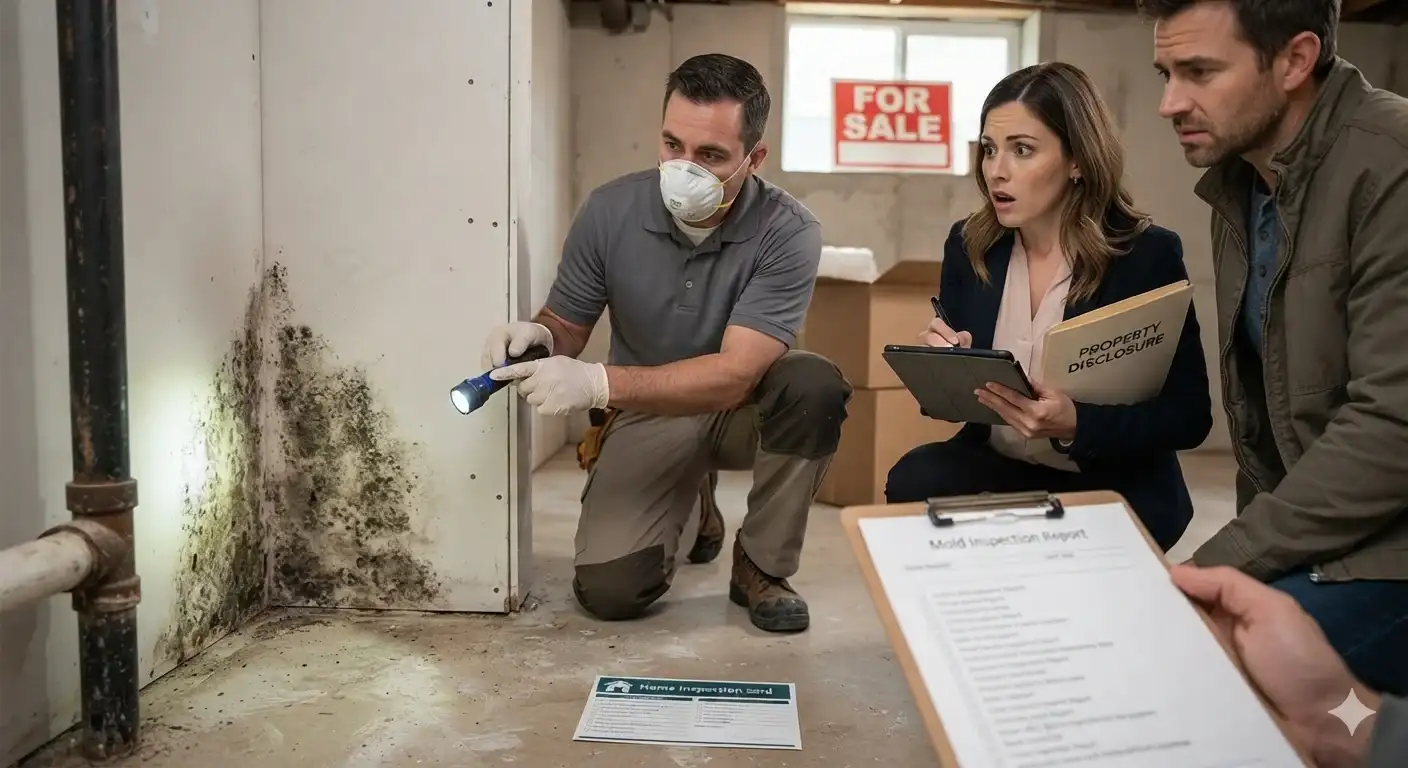
Mold is one of those issues that can make a homebuyer nervous and a seller uncomfortable, especially when it shows up during a home inspection. But finding mold in a home does not automatically mean the house is unsafe, the seller has a major problem, or a real estate transaction needs to fall apart.
In the Greater Charlotte area, including Charlotte, South Charlotte, Davidson, Cornelius, Huntersville, Mooresville, Denver, Concord, Kannapolis, Harrisburg and University City, moisture and humidity can create conditions where mold develops, particularly in crawl spaces, bathrooms, attics, around HVAC systems and other areas where moisture can collect.
For buyers and sellers, the important question is not simply, “Is there mold?”
The better question is:
Why is the mold there, how extensive is the problem, and what needs to be done about it?
At Odell Realty, we regularly help buyers and sellers work through inspection concerns and property issues like these. Our job is not to diagnose or remediate mold. Instead, we help our clients understand how an issue may affect the transaction and connect them with the appropriate professionals when needed.
Is Mold Common in North Carolina Homes?
Yes, mold can occur in homes throughout North Carolina because moisture is a common part of our climate.
Homes can develop mold when moisture is allowed to remain in an area for an extended period. That moisture can come from a roof or plumbing leak, condensation, poor ventilation, HVAC issues, elevated crawl space moisture, flooding or other sources.
The age of the house does not necessarily determine whether mold will be present. A newer home can have moisture problems, while an older, well-maintained home may not.
This is one reason we encourage buyers to look beyond cosmetic details when touring a home.
Where Should You Look for Mold in a Home?
Mold is not always sitting in an obvious spot on the wall. Some of the areas worth paying attention to include:
Around AC Vents and HVAC Systems
This is an area homeowners often overlook.
Condensation can develop around HVAC components and ductwork when temperature and humidity conditions are right. If you notice discoloration, staining or a musty smell around an air vent, it is worth investigating rather than simply cleaning the surface.
A small spot around a vent does not automatically mean there is a major HVAC or mold problem. The important thing is determining what is causing the moisture.
Crawl Spaces
Crawl spaces deserve particular attention in many North Carolina homes.
Moisture can enter a crawl space through the ground, plumbing leaks, drainage issues or other sources. Persistent moisture can contribute to mold growth and can also create other problems for the home.
This is something buyers should pay attention to when purchasing homes throughout Cabarrus, Mecklenburg, Iredell and Lincoln counties.
Bathrooms
Bathrooms naturally produce moisture from showers and baths. Poor ventilation, plumbing leaks and condensation can create conditions where mold develops around ceilings, walls, tubs, showers and other areas.
Attics
Roof leaks, inadequate ventilation and condensation can all contribute to moisture problems in an attic.
If an inspection identifies mold-like growth in an attic, the next step should generally be determining why moisture is present rather than simply covering the affected area.
Under Sinks and Around Plumbing
Leaks can go unnoticed for a surprisingly long time.
Check under bathroom and kitchen sinks, around washing machines, near water heaters and anywhere else plumbing could introduce moisture.
What About Mold in Charlotte and Mecklenburg County?
Mold concerns can come up in homes throughout Mecklenburg County, including Charlotte, South Charlotte, Huntersville, Davidson, Cornelius and University City.
The housing stock in these areas varies considerably. Buyers may encounter older homes, established neighborhoods, newer construction, townhomes and condominiums, all of which can have different moisture-related considerations.
For example, an older home may have a different set of inspection concerns than a newer home, while a home with a crawl space may require different attention than a condominium.
The location of the home matters, but the individual property matters even more.
That is why we do not recommend assuming that a home has a mold problem simply because of its age or location.
What About Mold in Cabarrus County?
Mold concerns can also arise in homes throughout Cabarrus County, including Concord, Kannapolis and Harrisburg.
Buyers in these communities may encounter everything from older established homes to newer construction. That means inspection considerations can vary significantly from property to property.
A buyer looking at an older home in Concord may have different questions than someone purchasing a recently built home in Kannapolis. Likewise, a home in Harrisburg may have different construction and drainage characteristics than another property just a few miles away.
The takeaway is simple: evaluate the specific home rather than making assumptions based on the city or county.
What Should a Buyer Do If a Home Inspection Finds Mold?
Do not panic.
A mold-related inspection finding should be taken seriously, but it does not automatically mean you should walk away from the property.
The first step is understanding what the inspector actually found.
Depending on the situation, your real estate agent may recommend bringing in an appropriate professional to determine:
- Where the moisture is coming from
- How extensive the affected area is
- Whether there is an active moisture problem
- Whether professional remediation is recommended
- Whether additional inspection or testing is appropriate
- What repairs may be necessary
Your agent can then help you understand how the issue fits into the larger transaction.
In North Carolina, the due diligence and negotiation process can involve many moving pieces. A mold concern may lead to additional investigation, repairs, credits, negotiations or other decisions depending on the circumstances.
This is one reason having an experienced real estate agent matters. You do not necessarily need someone who can diagnose mold. You need someone who knows how to help you navigate the real estate transaction when an issue comes up.
Can Mold Kill a Real Estate Deal?
It can, but it does not have to.
A significant mold or moisture problem can understandably make a buyer reconsider a purchase. However, many inspection issues can be addressed through further investigation, repairs, remediation or negotiation.
The severity of the problem matters.
So does the source.
For example, there is a big difference between a small area of surface growth caused by a resolved issue and evidence of an ongoing moisture problem affecting a larger portion of a home.
The right response depends on the property and the specific circumstances.
At Odell Realty, we help our clients avoid making decisions based solely on fear. We want buyers to understand the issue, get the appropriate information and then make an informed decision.
Should Sellers Fix Mold Before Listing Their Home?
If you know your home has a moisture or mold issue, ignoring it usually is not the best strategy.
Before listing, it can make sense to identify the source of the problem and determine what needs to be addressed.
Simply painting over discoloration or cleaning a visible area without addressing the underlying moisture may not solve the problem.
For sellers, there is another consideration: buyers may discover the issue during their inspection anyway.
Addressing known problems before putting your home on the market can sometimes make the selling process smoother and give you more control over how the issue is handled.
That does not mean every seller needs to spend thousands of dollars on remediation before listing. The appropriate approach depends on the condition of the home and the specific issue.
This is where a conversation with your real estate agent can be helpful before you start making repairs.
If you are thinking about selling your home and want to understand what it may be worth before deciding which improvements make sense, get a free home valuation from Odell Realty.
Does Mold Affect a Home’s Value?
Potentially.
Mold itself is not necessarily what determines the impact on value. Buyers are more likely to be concerned about the underlying problem, the cost to correct it, the extent of the damage and whether they feel confident the issue has been properly addressed.
For sellers, this is important because the condition of a home is one factor that can influence what buyers are willing to pay.
A home in Kannapolis, for example, should not automatically be valued the same way as a similar-looking home in South Charlotte simply because the square footage is similar. Location, condition, improvements, competition and recent comparable sales all matter.
If you are concerned that a mold or moisture issue could affect your home’s marketability or value, it is worth discussing the situation with your real estate agent before deciding what to repair.
Mold Should Not Be the Only Thing You Look For During a Home Tour
Mold is just one part of evaluating a home.
When you are touring a property, pay attention to signs that could indicate moisture or water intrusion:
- Musty odors
- Water stains
- Discoloration around ceilings or walls
- Bubbling or peeling paint
- Damaged flooring
- Condensation around HVAC vents
- Staining around windows
- Damp crawl space areas
- Visible plumbing leaks
None of these automatically means a home has a major problem.
They are simply reasons to ask questions and investigate further.
For buyers comparing homes throughout Davidson, Cornelius, Huntersville, Mooresville, Denver, Concord, Kannapolis, Harrisburg, University City, Charlotte and South Charlotte, the inspection process is an important opportunity to learn more about the property before moving forward.
You can also explore our Greater Charlotte neighborhood guides to learn more about the communities where our team helps buyers and sellers.
What We Tell Our Clients About Mold
One of the most important things we can tell a buyer or seller is this:
Do not let one scary word make the decision for you.
Mold can be a legitimate concern, but the word itself does not tell you how serious the situation is.
Find out what is causing it.
Find out how extensive it is.
Find out what it will take to correct it.
Then make a decision based on the facts.
That is the approach we take with inspection issues in general. Our role is to help you understand what you are dealing with, connect you with the right professionals and negotiate on your behalf when appropriate.
Odell Realty has been serving buyers and sellers for more than 25 years throughout the Greater Charlotte area. Our team works with clients throughout Mecklenburg and Cabarrus counties as well as surrounding communities.
Frequently Asked Questions About Mold and Real Estate
Should I avoid buying a house with mold?
Not necessarily. The severity and source of the mold matter. A professional evaluation may help determine the extent of the problem and what remediation or repairs may be necessary.
Should I get a mold inspection when buying a house?
It depends on the property and what is discovered during the inspection process. If there are signs of moisture, visible mold or other concerns, your agent and inspector may recommend additional evaluation.
Can a seller refuse to fix mold?
The answer depends on the circumstances, the contract and applicable North Carolina requirements. Buyers and sellers should work with their real estate professionals and appropriate legal or inspection professionals when necessary.
Does mold always mean there is a leak?
No. Mold requires moisture, but that moisture can come from many sources, including condensation, humidity, plumbing issues, roof leaks, HVAC systems and crawl space conditions.
Can mold be removed completely?
The appropriate remediation depends on the type and extent of the problem and the source of the moisture. The underlying moisture problem needs to be addressed or the issue can return.
Is mold more common in older homes?
Older homes can have their own unique moisture and maintenance considerations, but mold can occur in homes of any age. The condition and moisture history of the individual property are more important than age alone.
Buying or Selling a Home With Mold Concerns?
If you have discovered mold during a home inspection, noticed signs of moisture before listing your home, or simply are not sure whether an issue is worth worrying about, reach out to the Odell Realty team.
We help buyers and sellers throughout Charlotte, South Charlotte, Davidson, Cornelius, Huntersville, Mooresville, Denver, Concord, Kannapolis, Harrisburg and University City, including communities throughout Mecklenburg and Cabarrus counties.
You do not have to figure out the next step on your own. Our team can help you understand what questions to ask, determine whether you should bring in the appropriate professional, and navigate the real estate side of the situation.
Have questions about mold, an inspection issue, or buying or selling a home? Contact Odell Realty and talk with our team. We are here to help you move with confidence.
Author: Garrett Odell, Owner / Broker, Odell Realty
This article is for general informational purposes and is not a substitute for advice from a qualified mold remediation professional, home inspector, contractor, attorney or other licensed professional. Mold-related conditions should be evaluated based on the specific property and circumstances.
Want this explained for your exact situation?
Send a note below, or email garrett@odellrealty.com. A real person from our team answers.
Get in Touch